
Keeping a website alive Without Touching It
Three standing agents, a frozen glossary, and a new weekly rotation. ☕
How my website keeps growing without me opening the repo
21, 23 Y 25 de septiembre de 2026 — Herramientas IA aplicadas al desarrollo (4ª edición) — Aridane Martín
Herramientas IA aplicadas al desarrollo - Sept 2026
Articles tagged "Agent Workflows"

How my website keeps growing without me opening the repo
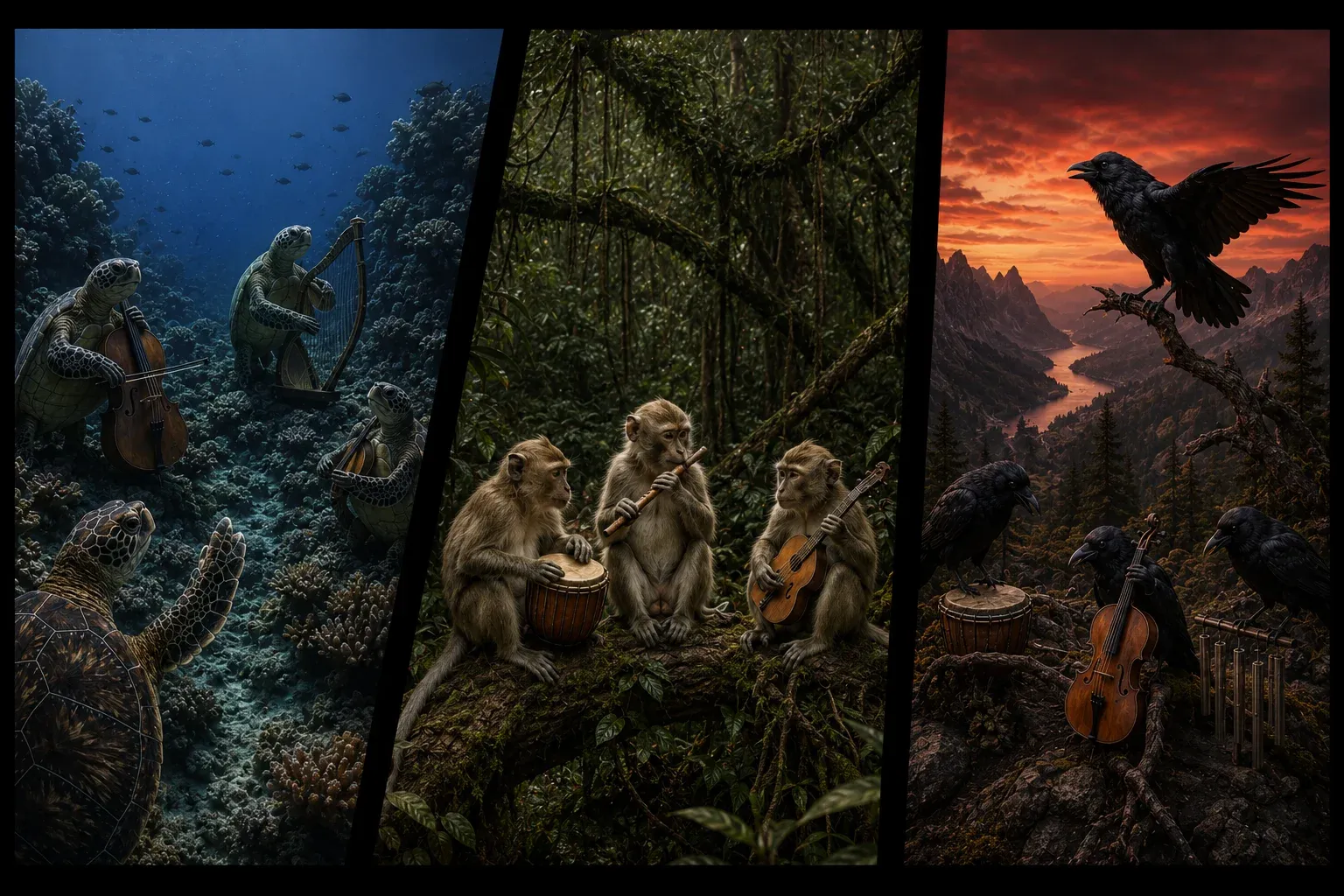
Routing, fusion and subagents get used interchangeably in almost every multi-agent write-up. They solve different problems at different moments. Twelve orchestration patterns, one diagram each, a tool table, and when the extra complexity actually earns its keep.

A hands-on deep dive into the bounded agent jury: freeze a target, hand it to blind read-only judges, classify agreement as confirmed, suspect or contradiction, and know when it actually needs different models instead of just fresh context.

Orca runs Claude Code, Codex and OpenCode in isolated git worktrees. Its orchestration skill adds the missing layer: one coordinator agent that dispatches work, waits for results, and pings your phone when it needs a decision.

PRDs, ADRs, and RFCs each answer a different question about what you're building. Learn what each document is for, best practices for writing them, and a side-by-side table of their characteristics.

A practical, framework-agnostic guide to agentic design patterns - prompt chaining, routing, parallelization, orchestrator–workers, evaluator–optimizer, and ReAct grounded in Anthropic's Building Effective Agents, with when-to-use rules and diagrams.

A practical guide to conversation compaction for AI agents: trimming, rolling summaries, structured state, retrieval, prompt compression, and the failure modes that quietly break long-running tasks.

Anthropic's frontend-design, Emil Kowalski's design skill, Taste Skill, and Impeccable give AI agents the taste to ship interfaces that actually stand out.

Claude Code plugins extend your agent with skills, agents, hooks, and MCP servers — packaged and distributed through marketplaces. Here's how they work and how to use them.

Superpowers is an open-source plugin that injects structured development skills — TDD, debugging, planning, code review — into Claude Code and other AI agents. Here's how it works.

Git worktrees let you check out multiple branches simultaneously in separate directories. For AI agents running in parallel, they're not a nice-to-have — they're the only way to avoid chaos.

Harness engineering is the complete environment you build around an AI model — tools, constraints, feedback loops, and context. Learn what it is, how it differs from prompt and context engineering, and how to start building one.
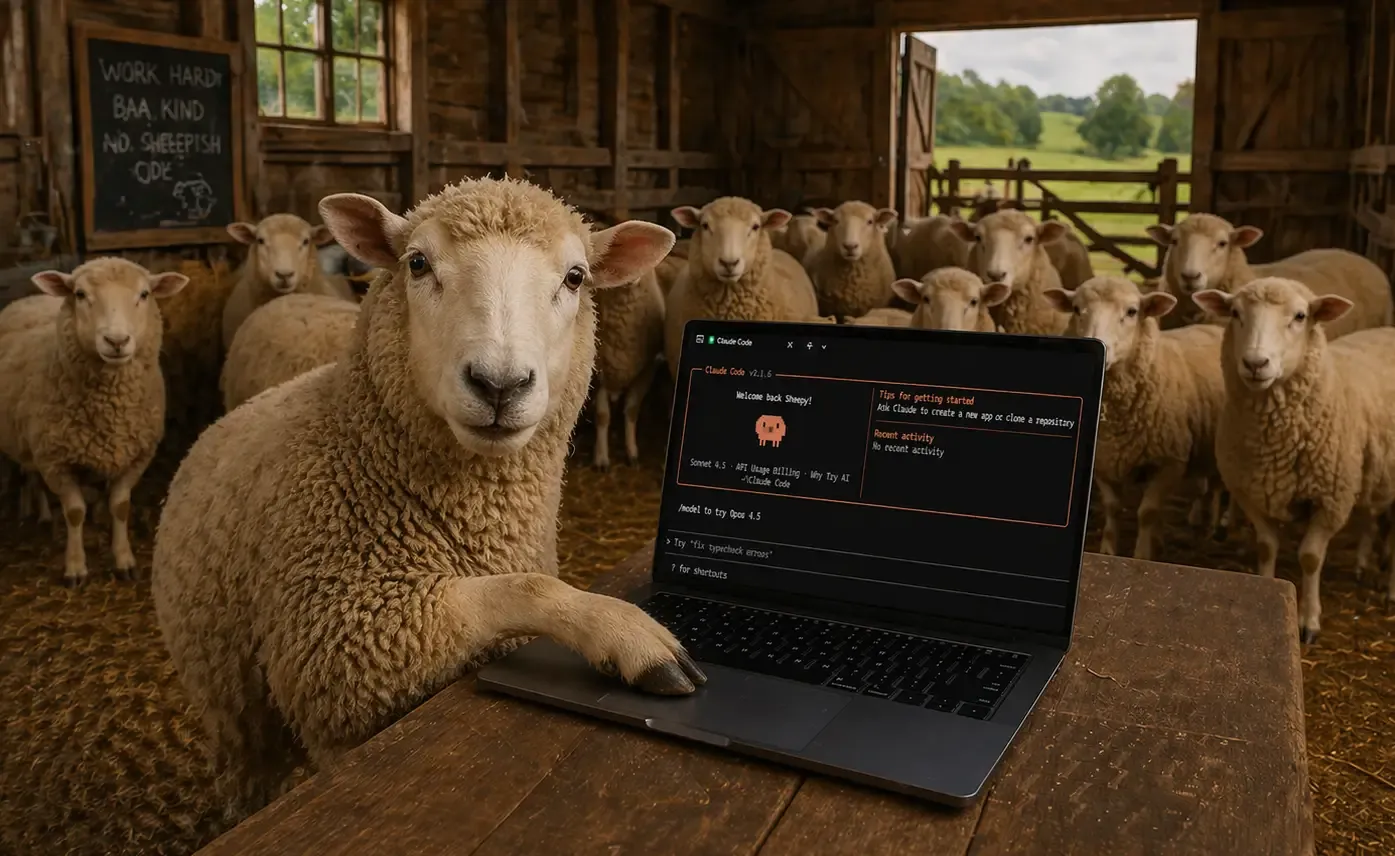
A hands-on guide to 10 tools that cut Claude Code token usage by 40–98%. Covers installation, usage, and when to use each one.

A hands-on guide to installing RTK, wiring it to Claude Code in minutes, and immediately slashing the token cost of every git, test, and file command you run.

Spec-driven development is the antidote to vibe coding. Learn what it is, how GitHub's Spec Kit operationalizes it with slash commands and artifacts, and whether it's worth the overhead.

Learn how VS Code Copilot hooks let you run shell commands at key agent lifecycle points — block dangerous operations, auto-format code, inject context, and build audit trails.

Learn how to use WebMCP to expose structured tools from your website to in-browser AI agents. Set up Chrome Canary, implement declarative and imperative APIs, and build agent-aware forms — no MCP server required.

Learn how to create AI agents that understand your entire codebase using Repomix and GitHub Copilot. Build intelligent assistants for your development team.